If you are experiencing persistent foot, shin or hip pain after increasing your activity levels, you may be wondering whether it is “just a strain” or something more serious like a stress fracture. For many active individuals in Singapore, early assessment can make a meaningful difference to recovery and prevent complications.
Key Takeaways
- Persistent localised bone pain that worsens with activity may indicate a stress fracture.
- Early diagnosis by a stress fracture doctor Singapore patients trust can prevent worsening injury.
- Ignoring symptoms may lead to a complete fracture or prolonged recovery time.
- Imaging such as X-rays or MRI may be required for accurate confirmation.
What Is a Stress Fracture and Why Does It Happen?
A stress fracture is a small crack in a bone caused by repetitive force rather than a single traumatic event. It commonly affects,
- The shin (tibia)
- Foot bones (metatarsals)
- Heel bone
- Hip
It may occur when,
- You suddenly increase exercise intensity or duration
- You switch to harder training surfaces
- You wear unsupportive footwear
- Bone strength is reduced due to medical conditions
Unlike a sudden fracture from a fall, stress fractures develop gradually which is why symptoms are often overlooked at first.
What Symptoms Should Prompt You to See a Doctor?
You should consider consulting a stress fracture doctor, patients can access if you notice:
- Pain that starts during exercise and eases with rest
- Pain that gradually worsens over days or weeks
- Tenderness when pressing on a specific spot
- Mild swelling over the painful area
- Pain that persists even during normal walking
If pain begins to affect daily activities such as walking to work, climbing stairs or standing for prolonged periods, it is advisable to seek medical assessment.
Can a Stress Fracture Heal on Its Own?
While some mild stress injuries may improve with rest, not all cases resolve without medical supervision.
Without proper evaluation the crack may widen and the bone may completely fracture. Due to this, healing time may significantly increase or may develop long-term complications An orthopaedic assessment allows,
- Clinical examination of the affected limb
- Appropriate imaging (X-ray or MRI when necessary)
- Advice on weight-bearing restrictions
- Structured recovery planning
Early intervention helps ensure that healing progresses safely.
Who Is at Higher Risk of Stress Fractures?
Certain individuals are more susceptible, including:
- Runners training for marathons or fitness tests
- National Service personnel
- Dancers and athletes
- Individuals returning to exercise after long breaks
- Older adults with reduced bone density
If you fall into one of these categories and experience ongoing bone pain, medical evaluation is recommended.
What Happens During a Consultation?
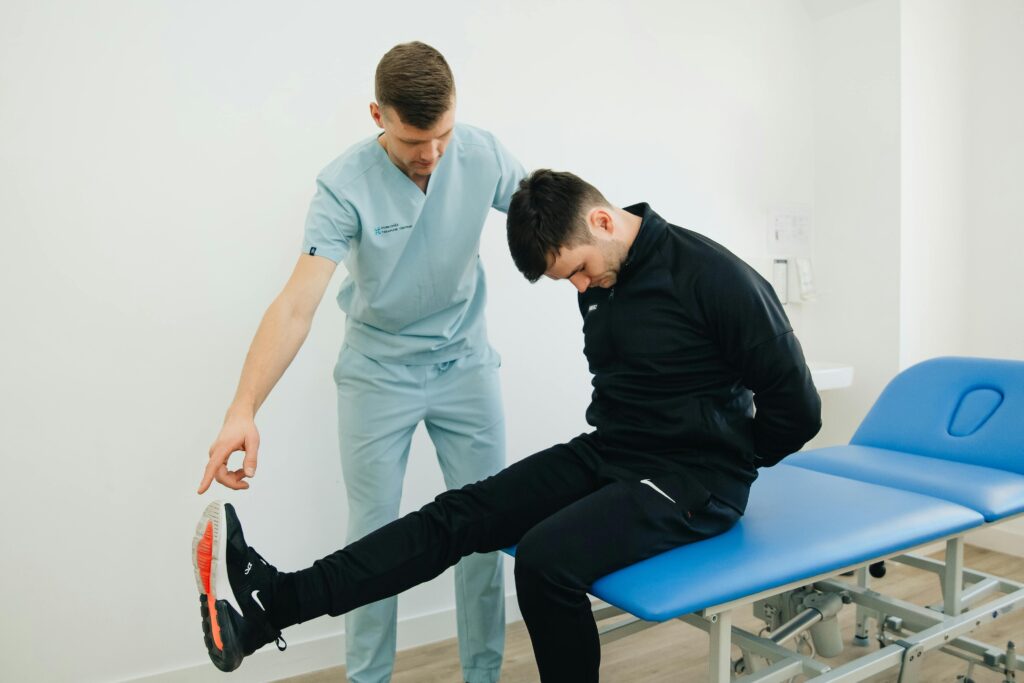
During your visit to an orthopaedic clinic, you can expect:
- A detailed discussion about your activity levels and symptoms
- Physical examination of the affected area
- Imaging if clinically indicated
- Guidance on rest, bracing, or physiotherapy
- Advice on gradual return to activity
Treatment varies depending on the bone involved and severity, but the primary goal is safe and complete healing.
Frequently Asked Questions
- How long does a stress fracture take to heal?
Most stress fractures heal within 6 to 8 weeks, though some high-risk areas may require a longer recovery period. Healing time varies depending on the location and severity.
- Do I always need an MRI?
Not always. Early stress fractures may not show clearly on X-rays. If symptoms persist despite a normal X-ray, further imaging such as MRI may be considered.
- Can I continue exercising with a stress fracture?
Continuing high-impact activities is generally not advisable. Low-impact alternatives may be discussed after medical assessment, depending on your condition.
- Is surgery required for stress fractures?
Most stress fractures are managed without surgery. Surgical treatment is typically reserved for specific high-risk fractures or cases that do not heal with conservative care.
When Should You Book an Appointment?
If you have persistent, localised bone pain that does not improve with rest, it is important not to delay evaluation. Early assessment can reduce the risk of further injury and support a smoother recovery.
At Orthocare Clinic in Singapore, patients receive careful orthopaedic evaluation tailored to their condition and activity level. If you suspect a stress fracture or have ongoing bone pain, consider arranging a consultation to understand your diagnosis and treatment options.
To learn more or to schedule an appointment with a stress fracture doctor Singapore patients can consult, contact Orthocare Clinic today. Early attention can help you return safely to the activities you value.