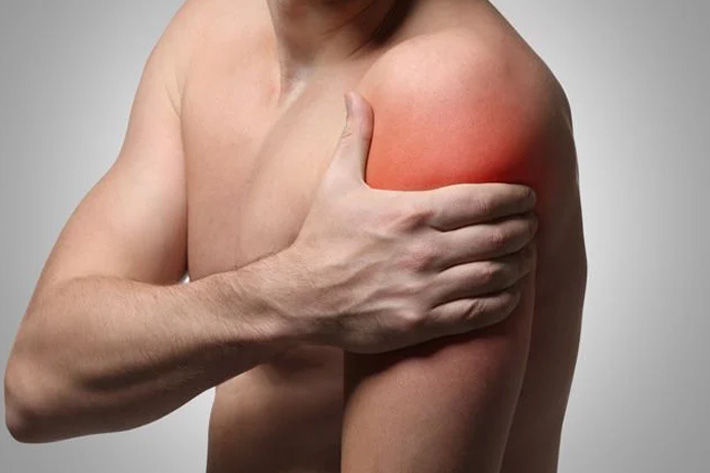
A shoulder dislocation can happen in seconds. A fall, sudden impact during sports or an awkward arm movement may force the upper arm bone out of its socket. The immediate reaction is often to move the arm around, stretch it or try to put the joint back into position.
However, these actions can make an already painful injury more complicated.
Knowing the correct shoulder dislocation first aid measures can help protect the injured shoulder while arranging medical attention. Just as importantly, knowing what not to do can prevent unnecessary movement and further injury.
Key Takeaways
- A suspected shoulder dislocation requires prompt medical assessment, even if the pain begins to settle.
- Supporting the arm in the position in which it is found can help prevent unnecessary movement.
- Never attempt to push the shoulder joint back into place yourself.
- Numbness, tingling, unusual hand colour or a cold hand may indicate nerve or blood vessel involvement.
- Early medical assessment helps identify associated injuries and determine appropriate treatment.
What Should You Do Immediately After a Shoulder Dislocation?
The first priority is to keep the injured shoulder as still and comfortable as possible. A dislocation may also involve damage to surrounding ligaments, muscles, nerves or blood vessels. Here is what you should do,
Stop the activity immediately
Whether the injury happens during exercise, sports or an everyday activity, stop moving the affected arm. Do not attempt to continue playing or test how much movement is possible.
Support the injured arm
Keep the arm in the position that feels most comfortable. You can use a sling or folded cloth to support its weight, provided this does not require forcing the shoulder into another position.
Apply a cold compress
Wrap an ice pack in a towel and gently place it against the injured shoulder for short periods. Avoid applying ice directly to the skin, as this can cause skin damage. Cold application may help manage pain and swelling while waiting for medical assessment.
Remove tight jewellery or clothing
If possible, gently remove rings, watches or tight accessories before swelling increases. Do not pull clothing over the injured arm if doing so causes additional pain.
Arrange prompt medical attention
A suspected dislocation should be assessed at an emergency department. In Singapore, call 995 for emergency ambulance assistance if there is severe pain, an obvious deformity, significant trauma or signs of impaired circulation or nerve function.
What Should You Avoid Doing?
Some common reactions can unintentionally worsen a shoulder injury. You should avoid the following,
- Do not attempt to relocate the shoulder- Pushing or pulling the arm to reposition the joint can damage nearby nerves, blood vessels and other structures.
- Do not force arm movements- Testing whether the shoulder can rotate or lift may increase discomfort and injury.
- Avoid massaging the shoulder- Applying pressure to the injured area will not correct the dislocation.
- Do not continue exercising- Returning to physical activity before assessment may aggravate the injury.
- Avoid driving yourself- Pain and restricted arm movement can affect your ability to control a vehicle safely.
A shoulder that appears to have returned to its normal position should still be medically assessed. The joint may have relocated spontaneously, but associated injuries can remain.
When Does a Shoulder Dislocation Become an Emergency?
Not every shoulder dislocation presents in exactly the same way. Some symptoms, however, require particular attention. Consider seeking emergency assessment if you notice,
- Severe or increasing shoulder pain.
- Visible changes in the shoulder’s shape.
- Numbness or tingling extending into the arm or fingers.
- A hand that feels unusually cold or appears pale or bluish.
- Weakness or difficulty moving the fingers.
- Significant swelling following an injury.
These symptoms may indicate nerve or blood vessel involvement, which requires prompt assessment.
What Happens After You Reach the Hospital?
Your doctor will assess the shoulder’s position, movement, circulation and nerve function. Imaging, usually an X-ray, may be required to confirm the dislocation and check for associated fractures.
If the shoulder remains dislocated, a doctor may perform a reduction, which involves carefully guiding the upper arm bone back into its socket. Pain relief or sedation may be provided depending on the circumstances.
Following reduction, further assessment may be needed to check joint stability and identify damage to surrounding structures. Treatment and recovery can differ depending on factors such as,
- Whether this is the first dislocation or a recurring injury.
- The presence of fractures or soft tissue damage.
- The patient’s age and physical activity level.
- The stability of the shoulder after reduction.
Some patients may be advised to use a sling temporarily, followed by physiotherapy. Others may require further treatment if the joint remains unstable or associated injuries are present.
FAQs
Can a shoulder dislocation heal on its own?
A dislocated shoulder should not be left untreated. Although the joint may sometimes return to its socket spontaneously, medical assessment is still necessary to identify possible fractures or damage to surrounding structures.
Should I keep my arm in a sling after dislocating my shoulder?
Supporting the arm with a sling can help limit unnecessary movement while waiting for medical attention. However, keep the shoulder in its most comfortable position rather than forcing it into a particular posture.
How long does shoulder dislocation recovery take?
Recovery varies depending on the severity of the injury, associated tissue damage, treatment and individual circumstances. Rehabilitation may take several weeks or longer, particularly when additional injuries are present.
Can a shoulder dislocate again after treatment?
Yes. Some individuals experience recurrent dislocations, particularly when the structures supporting the shoulder have been damaged. Previous dislocations, age and physical activity levels may influence the likelihood of recurrence.
Is physiotherapy necessary after a shoulder dislocation?
Physiotherapy is commonly included in rehabilitation. It helps address shoulder movement, muscle strength and joint stability. The timing and exercises should be guided by the treating doctor and physiotherapist.
Get Your Shoulder Assessed After a Dislocation
The first few minutes following a shoulder dislocation matter. Supporting the injured arm, avoiding unnecessary movement and seeking prompt medical attention can help reduce the risk of additional injury.
Even after the shoulder has been repositioned, an assessment may be needed to determine whether further treatment or rehabilitation is appropriate.
For individuals experiencing shoulder instability, pain or a previous dislocation, an orthopaedic assessment can help clarify the condition and available management options.
At Orthocare, Dr. Ananda Vella provides consultations for orthopaedic conditions, including shoulder-related concerns. Individuals seeking an assessment can contact the clinic to enquire about arranging a consultation.